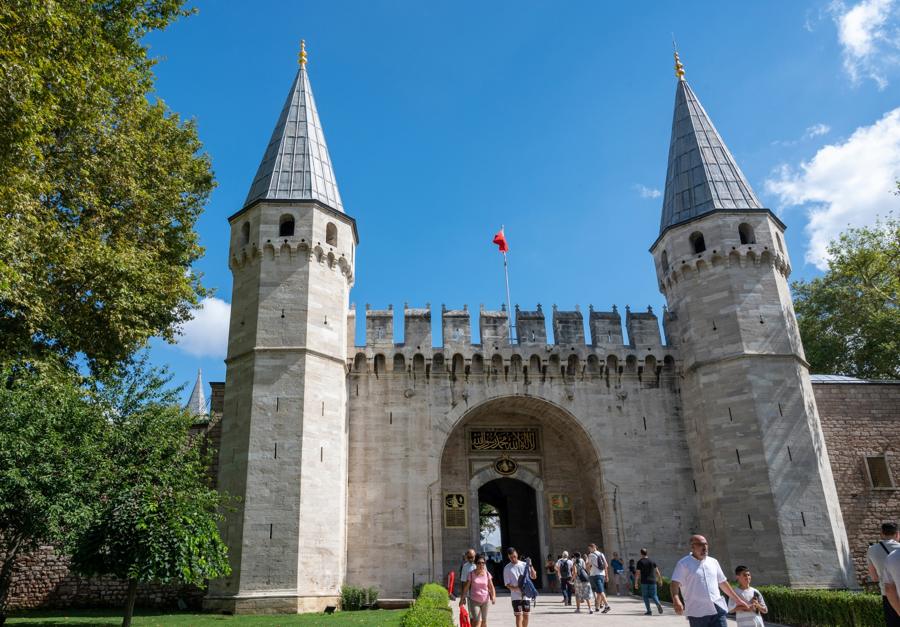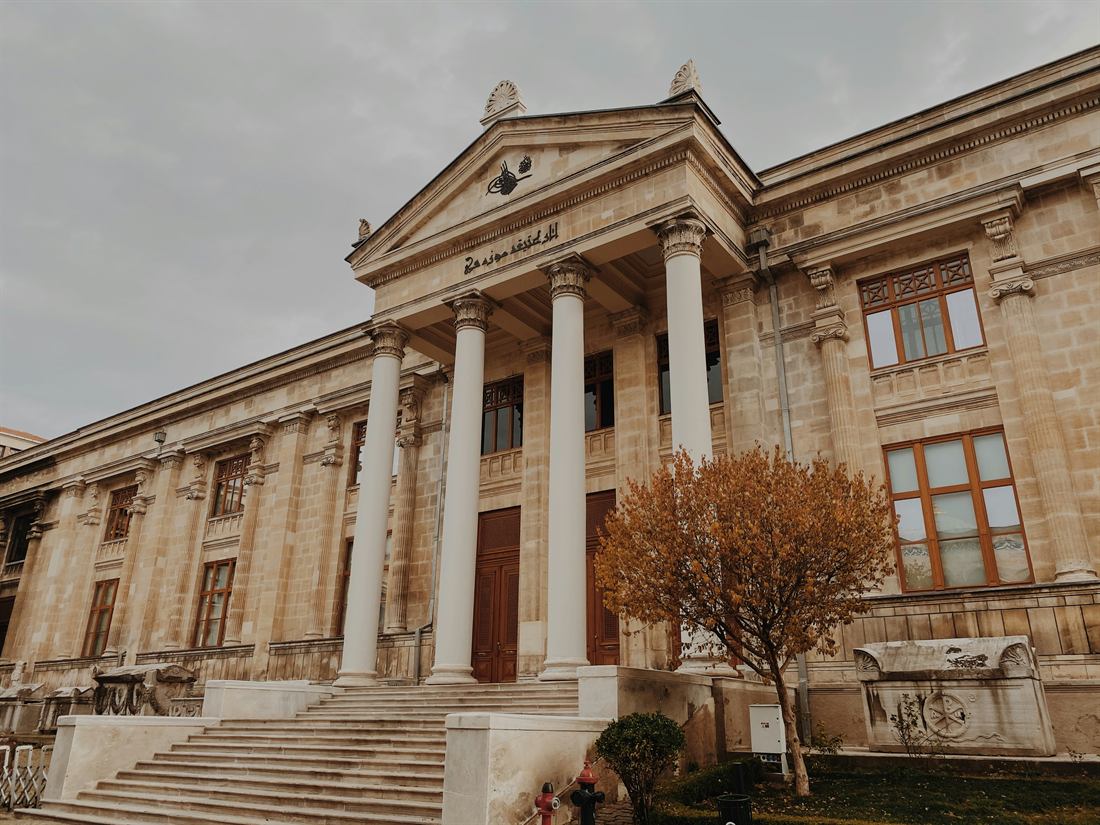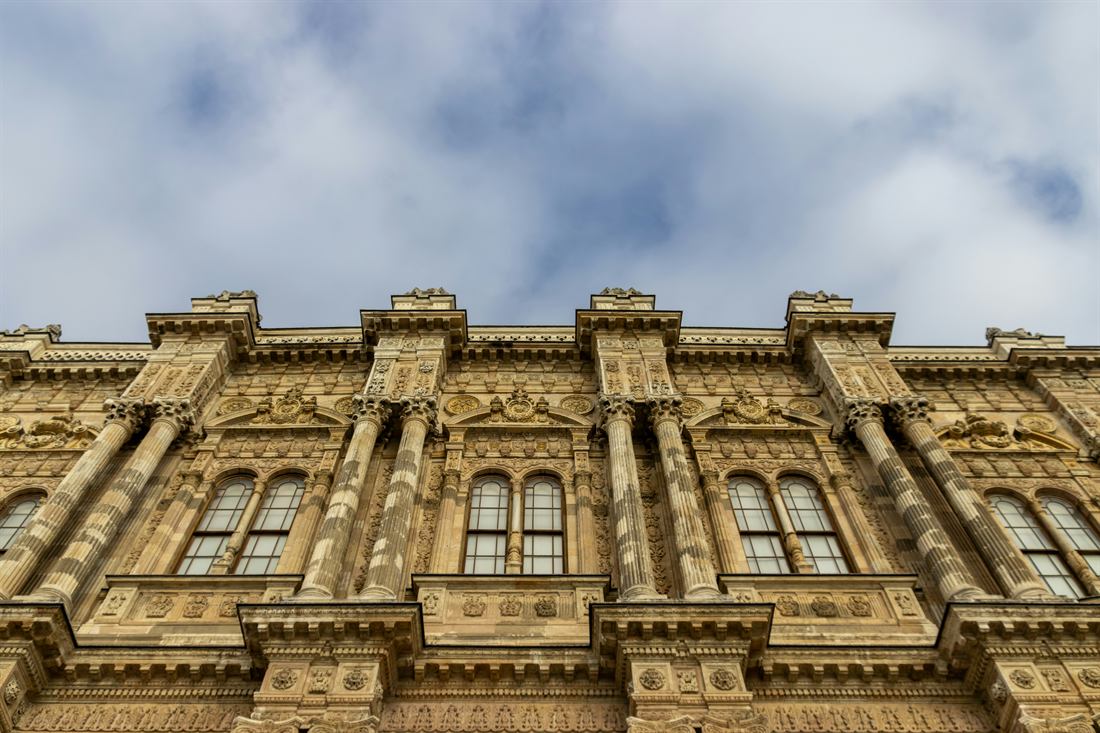
Photo by Georgii Eletskikh on Unsplash
Dolmabahce Palace (incl. Harem)
19th-century waterfront palace with a 4.5-tonne crystal chandelier and the room where Atatürk spent his final days.
Audio guide
Listen to this text in your browser's own voice; it works offline too.
Dolmabahce Palace was commissioned by Sultan Abdülmecid and completed in 1856. Its name, the filled-in garden, comes from the bay that was filled in and turned into gardens in the 17th century.
Its architects were Garabet and Nigoğos Balyan of the Balyan family. The palace blends European baroque, rococo and neoclassical styles with Ottoman tradition.
The crystal chandelier in the Ceremonial Hall, the palace's largest room, is known as one of the largest chandeliers in the world.
Atatürk died in this palace on 10 November 1938. The palace is closed on Mondays.
Opening hours: 09:00–18:00 (closed Mon). Getting there: T1 Kabataş.
Visit tips
- Closed on Mondays.
- A reservation is required; we set the day and time with you on WhatsApp.
- You visit the Selamlık and the Harem together, so allow about 2 hours.
- From the T1 stop at Kabataş it is a few minutes along the Bosphorus to the palace gate.
Frequently asked questions
Which day is Dolmabahçe Palace closed?
It is closed on Mondays and open 09:00–18:00 on other days.
Do I need a reservation?
Yes. We set the day and time with you on WhatsApp.
Is the Harem included?
Yes, this entry covers the Harem too.
How do I get to Dolmabahçe Palace?
Take the T1 tram to Kabataş; the palace is a few minutes on foot.